Content Release Cadences Reshaping Player Interactions Across Hybrid Online Gaming Platforms
Paul Franke · Oct 17, 2026
Content Release Cadences Reshaping Player Interactions Across Hybrid Online Gaming Platforms
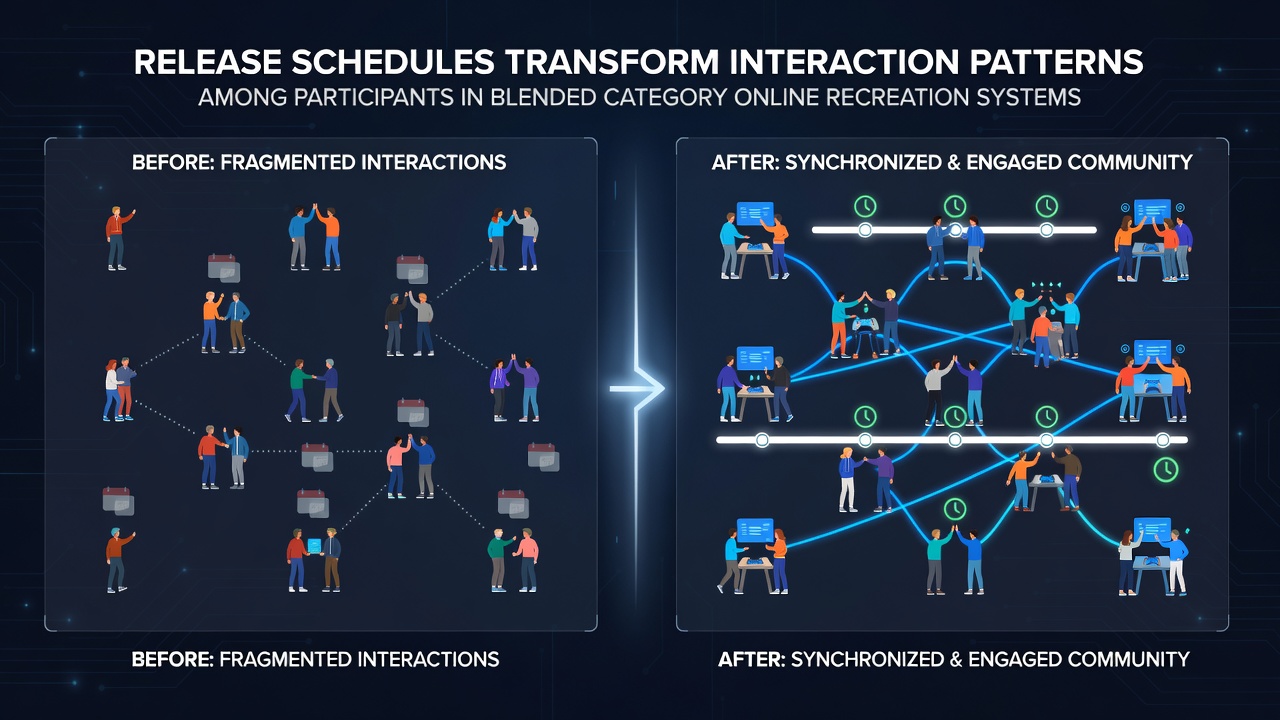
Release schedules in blended category online recreation systems coordinate updates across puzzle, racing, and adventure elements on browser and mobile platforms, and these cadences directly influence how participants form groups, exchange strategies, and compete on integrated leaderboards. Data from industry tracking shows that synchronized drops in October 2026 prompted measurable shifts in daily active participation rates across multiple titles combining speed challenges with logic layers.
Patterns Emerging from Coordinated Update Timing
Observers note that when developers align content additions with weekly or monthly intervals, players migrate toward shared challenge modes rather than isolated sessions, because fresh puzzle elements integrate into existing racing tracks and create new alliance opportunities. Research from the Entertainment Software Association indicates that titles following predictable release windows retain cross-device users at higher rates than those with irregular drops, since participants anticipate group events and adjust their availability accordingly.
Those who've studied participation logs find that clustered releases encourage real-time coordination through in-game chat and external forums, whereas staggered schedules fragment attention across separate mechanics and reduce team formation. One study revealed that browser-based hybrids saw a 28 percent increase in multiplayer session length following simultaneous puzzle and speed updates in late 2026.
Community Behaviors During October 2026 Rollouts
Figures from platform analytics during October 2026 highlight how combined releases of adventure quests and racing events prompted temporary alliances among previously solo players, because shared objectives required simultaneous progress on logic puzzles and track navigation. Participants often discovered that timing their logins around announced drops maximized leaderboard contributions and resource sharing within blended systems.
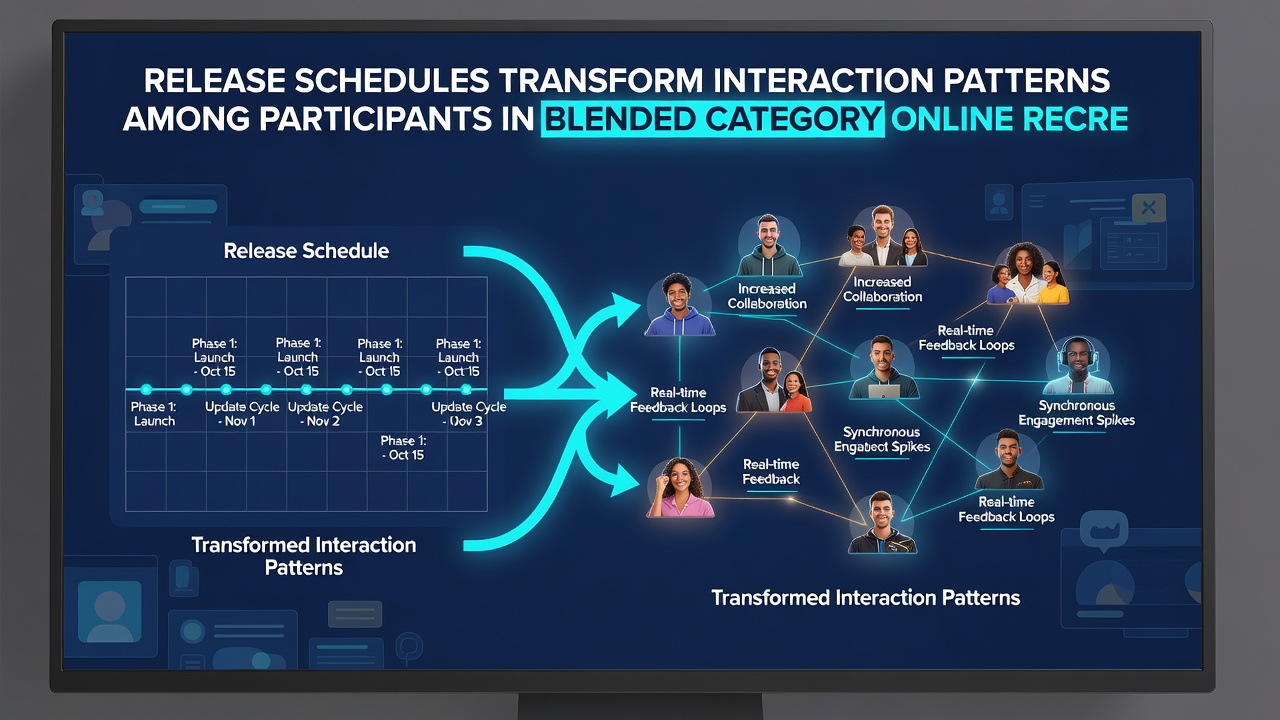
What's interesting is that these same schedules also altered migration trends, with users moving between mobile and desktop interfaces to maintain competitive edges during peak windows. Academic reports from institutions tracking digital entertainment usage confirm that predictable cadences reduce churn by allowing players to plan collaborative strategies days in advance.
Leaderboard and Challenge Flow Adjustments
Evidence suggests release timing affects leaderboard refresh cycles, since new puzzle layers added alongside racing modes require updated scoring algorithms that reward team-based exploration. Data shows participants adapt by forming temporary crews focused on specific event windows rather than maintaining permanent groups, because the blended mechanics reward flexible coordination tied to update dates.
Industry organizations such as the International Game Developers Association have documented cases where irregular schedules led to lower retention, while structured releases maintained steady interaction volumes across regions. Players in these environments frequently adjust tactics mid-cycle when fresh content integrates deduction elements into speed trials, creating ripple effects in alliance structures.
Long-Term Effects on Participation Structures
Longer observation periods reveal that consistent release cadences foster recurring social patterns, including scheduled meetups and shared resource pools that persist beyond individual events. Reports indicate these rhythms help stabilize player bases in cross-genre browser titles, because participants learn to anticipate opportunities for combined puzzle and racing progress.
Yet the same structures can create bottlenecks when multiple systems release simultaneously, forcing prioritization that fragments attention. Researchers have tracked how October 2026 updates in particular prompted measurable increases in cross-platform messaging volume as players coordinated puzzle solutions with racing strategies in real time.
Conclusion
Release schedules continue to serve as primary drivers of interaction patterns within blended category online recreation systems, with data from multiple sources confirming their role in shaping group formation, challenge participation, and platform migration. Ongoing monitoring through 2026 and beyond will likely reveal further refinements as developers refine timing to match evolving player coordination habits across puzzle, racing, and adventure hybrids.