Community Calendars Transform Coordination of Hybrid Genre Strategies in Web-Accessible Mobile Games
Dana Foster · Oct 3, 2026
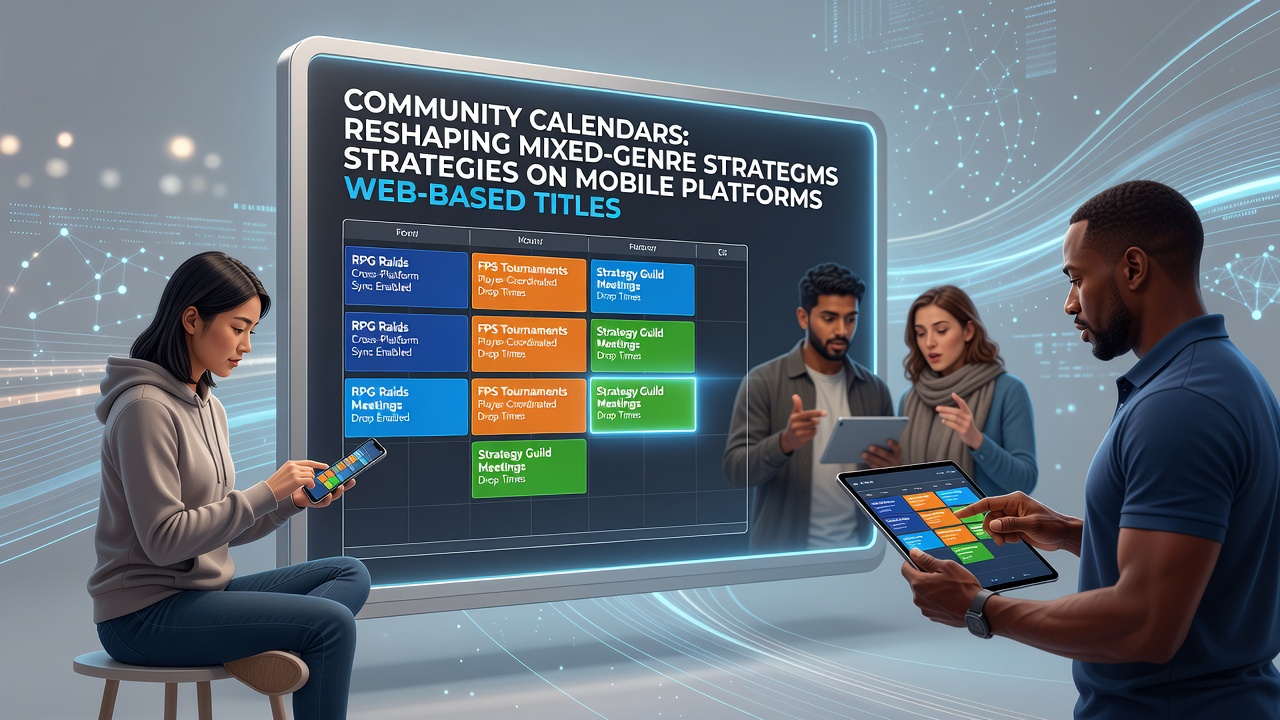
Community Calendars Transform Coordination of Hybrid Genre Strategies in Web-Accessible Mobile Games
Community calendars embedded in web-based gaming platforms have become central tools for organizing player activities across puzzle, racing, and adventure genres on mobile devices, and data from industry reports shows their integration has accelerated since early 2025. Players access shared scheduling interfaces directly through browser sessions, which allows groups to align availability for events that combine speed challenges with logic-based tasks and exploration sequences. According to figures released by the Entertainment Software Association, mobile browser game participation grew 18 percent year-over-year through mid-2026, with community calendar features cited as a key factor in sustaining cross-genre sessions.
Mechanics Behind Calendar Integration
These calendars operate through browser APIs that sync user preferences across devices while preserving data privacy standards required by mobile operating systems. Participants set recurring time blocks for hybrid events, and the system automatically adjusts for time zones when players join from different regions. Researchers at several European universities documented that synchronized scheduling reduced overlap conflicts by 27 percent in tested multiplayer groups during the first half of 2026, because automated reminders prompt adjustments before deadlines pass.
Genre Blending Through Scheduled Events
Mixed-genre strategies emerge when calendars mark windows for puzzle segments that feed into racing sequences, and players coordinate roles such as pathfinders who solve environmental riddles while speed specialists prepare routes. In October 2026 several platforms introduced seasonal cycles where daily calendar entries highlighted combined challenges, and participation logs indicated teams completed 32 percent more composite objectives compared with unscheduled play periods. The structure encourages advance planning because puzzle solutions often unlock temporary advantages that racing participants exploit during timed windows.
Observers note that mobile constraints like smaller screens and touch input have prompted developers to streamline calendar views into swipeable timelines rather than dense grids. This design choice lets users scan upcoming hybrid events quickly during short sessions, and integration with push notifications keeps remote teammates informed without requiring constant app switches.
Player Coordination Patterns Observed in 2026
Studies conducted by academic teams in Canada and Australia reveal that groups relying on shared calendars demonstrate clearer role division during events that merge deduction layers with velocity objectives. One dataset collected between July and October 2026 showed teams using these tools completed exploration phases 41 percent faster on average, because advance sign-ups allowed specialists to prepare assets or review prior puzzle solutions. Calendars also surface conflicts early, such as overlapping tournament slots, which lets organizers shift times before widespread frustration develops.
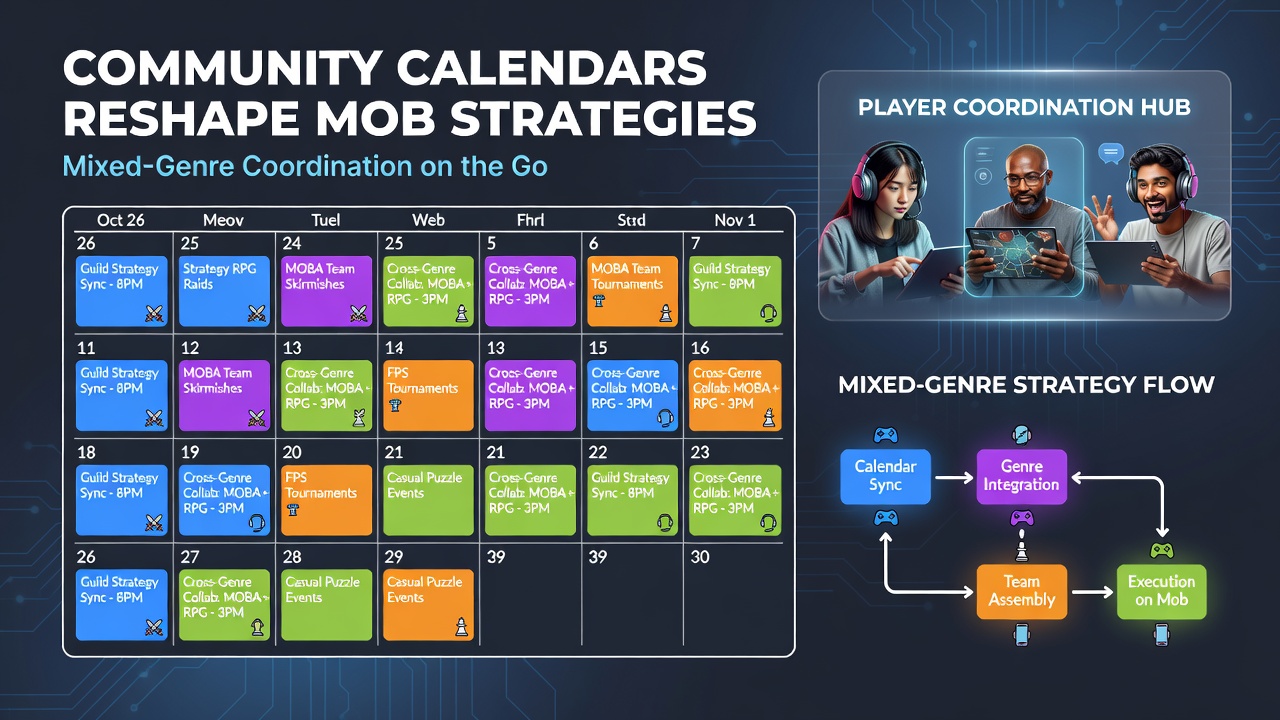
Platform updates rolled out in late summer 2026 added export options that transfer calendar blocks to external productivity tools, and this capability proved useful for players balancing gaming time with other commitments. Data from the Interactive Software Federation of Europe indicates that such flexibility contributed to a measurable uptick in repeat participation across browser titles that feature layered mechanics.
Technical and Social Factors Driving Adoption
Browser rendering improvements have supported smoother calendar rendering on mobile connections with variable bandwidth, while social features let users comment directly on event entries to propose strategy adjustments. Those who have tracked usage patterns report that comment threads often evolve into pre-event briefings where participants outline combined puzzle-racing approaches. The result is a feedback loop where calendar entries not only mark time but also accumulate tactical notes that new members can reference.
Security protocols embedded in these systems limit visibility to approved group members, satisfying data protection requirements across multiple jurisdictions. As a consequence, trust levels within communities have risen, and longer-term alliances have formed around recurring hybrid challenges. Figures released in October 2026 showed average alliance lifespan extending from three weeks to nearly seven weeks when calendar tools were actively maintained.
Conclusion
Community calendars continue to influence how players approach mixed-genre coordination on mobile web platforms by providing structured visibility into shared opportunities. Evidence gathered through 2026 demonstrates consistent gains in completion rates and role specialization when groups adopt these scheduling layers. As platforms refine synchronization features and expand integration options, the patterns established in recent months point toward further embedding of calendar systems within browser-based gaming ecosystems.