Collaborative Revelations Transforming Rivalries in On-the-Go Racing Experiences Featuring Puzzle Elements
Willa Braun · Oct 31, 2026
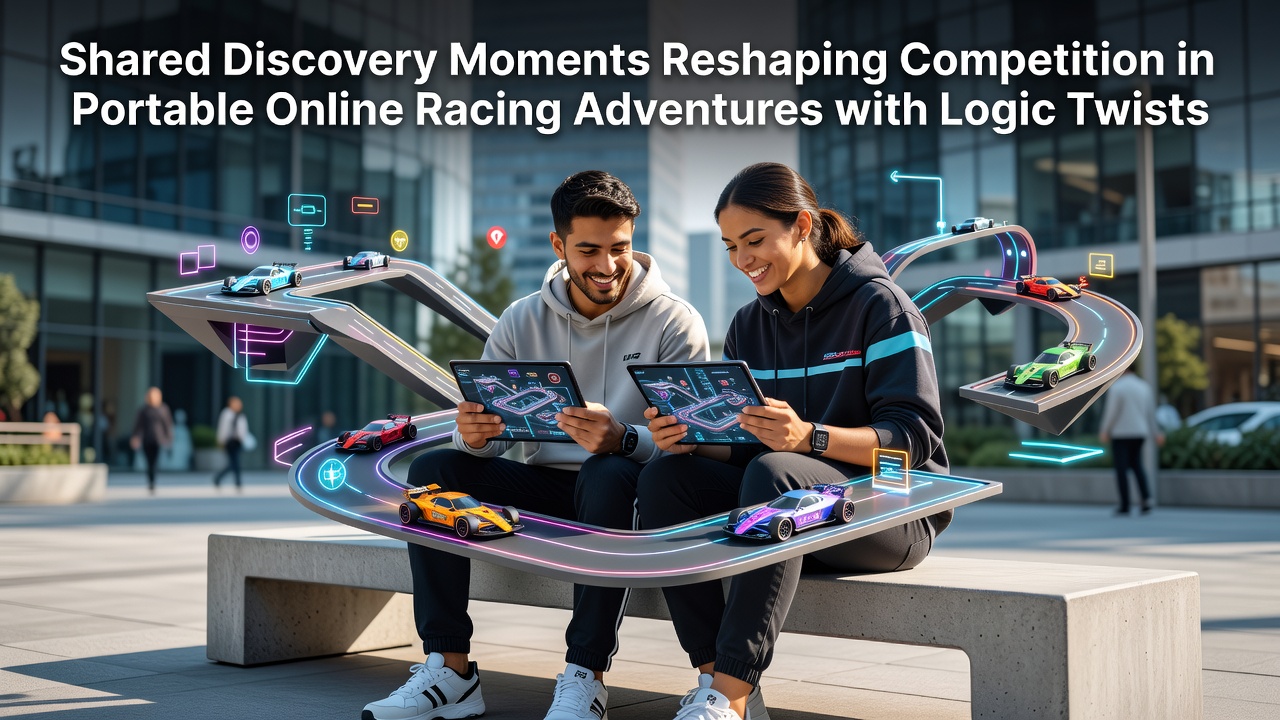
Collaborative Revelations Transforming Rivalries in On-the-Go Racing Experiences Featuring Puzzle Elements
Portable online racing adventures have incorporated logic twists that encourage players to share discoveries during competitive sessions, and this integration has begun to alter traditional rivalry structures across mobile platforms. Data from industry tracking services shows that participation in these hybrid formats rose steadily through 2025 and into October 2026, when cross-device events recorded higher instances of joint puzzle resolutions during races. Observers note that shared discovery moments occur when participants uncover hidden logic paths together, which then influences leaderboard positions and alliance formations in subsequent rounds.
Mechanics Driving Shared Discovery in Racing Formats
Game developers embed logic twists such as sequence-based barriers and conditional route unlocks within racing tracks, and these elements require real-time communication among competitors who might otherwise focus solely on speed. Research indicates that when players coordinate to solve these twists, race outcomes shift because collective insights reduce individual completion times by measurable margins. Figures from mobile analytics platforms reveal that sessions featuring integrated discovery mechanics sustain longer play durations compared to pure racing modes, since participants revisit tracks to test newly shared solutions. Those who study player behavior patterns find that discovery sharing often happens through in-game chat or external voice tools, which creates temporary cooperative pockets within otherwise competitive environments.
Impact on Competition Structures and Leaderboards
Leaderboards in these portable racing titles now reflect not only lap times but also contributions to collective discoveries, and this dual metric system has prompted developers to adjust ranking algorithms accordingly. Studies conducted by academic groups in Canada highlight how shared moments redistribute point allocations, allowing mid-tier racers to climb standings after assisting others with logic solutions. In October 2026 updates, several platforms introduced visibility features that credit discovery assists separately from speed achievements, and this change correlates with increased cross-region teaming during weekly events. What's interesting is that competition no longer centers exclusively on individual performance, because groups that exchange logic insights achieve faster overall progress through event tiers.
Platform Adaptations Supporting Discovery Interactions
Mobile browsers and dedicated apps have added interface elements that facilitate quick sharing of discovered logic paths, including screenshot tools and annotated map markers that persist across sessions. Industry reports from the Entertainment Software Association document how these adaptations support higher retention rates in hybrid racing titles, since players return to contribute or benefit from newly uncovered twists. Essential Facts reports note steady growth in multiplayer puzzle-racing segments, particularly on touch-optimized devices where gesture-based inputs align with both racing controls and puzzle interactions. Device fragmentation remains a factor, yet synchronization protocols now allow discovery data to transfer between sessions without requiring identical hardware.
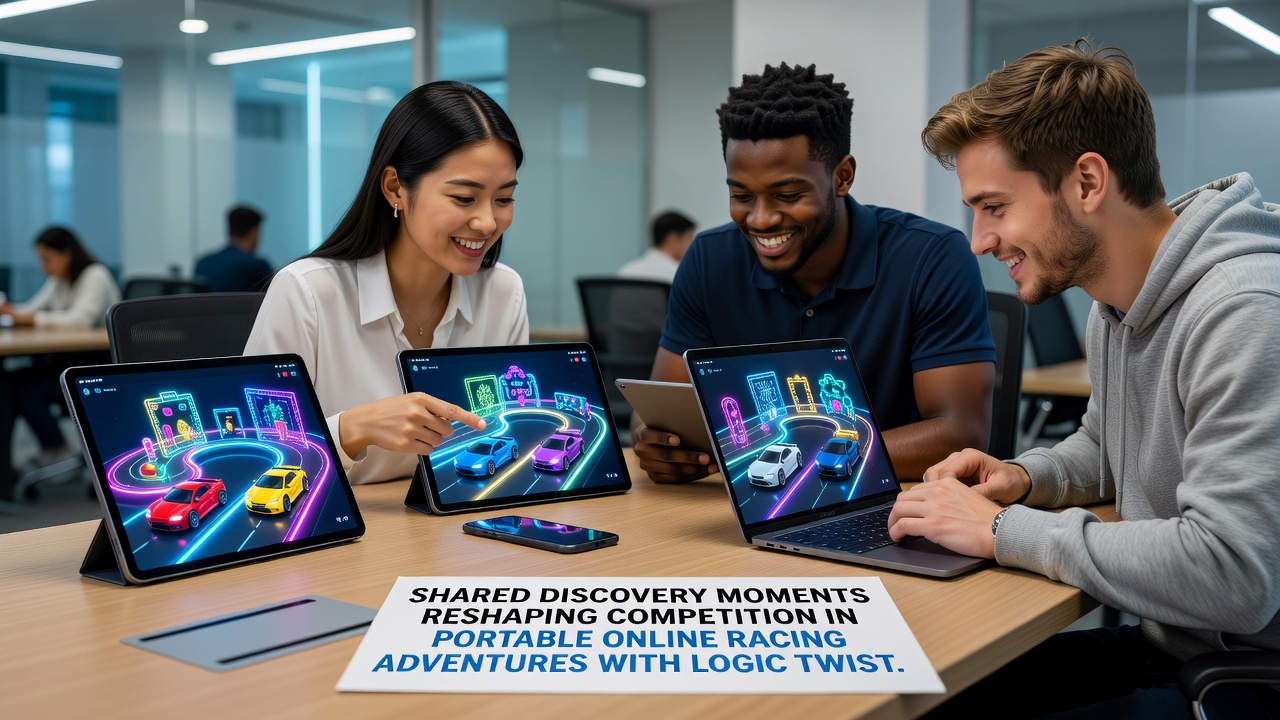
European research institutions tracking digital entertainment trends have observed similar patterns, where portable racing communities develop informal knowledge networks that accelerate collective mastery of logic layers. These networks operate through shared replays and annotated route guides, which reduce the learning curve for new participants and compress the time between discovery and competitive application.
Regional Variations in Adoption and Player Strategies
Adoption rates differ by region because of varying network infrastructure and device preferences, yet portable racing titles with logic components show consistent integration of discovery mechanics worldwide. Australian digital content surveys indicate that players in high-latency environments prioritize async sharing methods, such as posting solved logic sequences for others to review before attempting races. In contrast, low-latency markets favor live coordination during events, and this distinction shapes how shared moments translate into competitive advantages. Data compiled through October 2026 demonstrates that titles offering both sync and async discovery tools maintain broader geographic participation across daily and weekly challenge cycles.
Future Trajectories for Hybrid Racing Experiences
Developers continue to refine logic twist complexity based on observed discovery sharing frequencies, and upcoming seasonal content cycles are expected to introduce layered puzzles that require multi-player input to unlock advanced racing routes. Regulatory bodies in the European Union have begun reviewing data privacy implications around shared in-game discoveries, since these interactions often involve cross-border information exchange. Those monitoring industry evolution note that the emphasis on collaborative revelation continues to expand the scope of competition beyond pure speed metrics, incorporating strategic elements that reward information exchange alongside driving skill. This ongoing integration suggests sustained evolution in how portable racing adventures balance individual performance with group-derived insights.
Conclusion
Shared discovery moments have become embedded features within portable online racing adventures that include logic twists, and available metrics confirm their role in reshaping competitive dynamics through redistributed leaderboard outcomes and extended player engagement. Continued platform refinements and regional adaptations support these interactions, while research from multiple geographic sources tracks their influence on participation patterns through late 2026. The resulting hybrid environments demonstrate how logic elements and racing mechanics combine to create competition frameworks that value collective problem-solving alongside traditional speed achievements.